Nigeria has always had a rich combat sports culture. Boxing has long dominated, with MMA gaining ground in recent years. Now, a new player is entering the scene—Muay Thai. Once seen only in foreign fight clips, the sport is now making waves in Nigerian gyms and sparking conversations among fight enthusiasts.
In Lagos, Abuja, and Port Harcourt, training spaces are popping up where kicks, knees, and elbow strikes are becoming as familiar as jabs and hooks. Fans are also finding ways to keep up with fights abroad. Platforms that offer live fight results, such as
ผลมวยไทย, allow Nigerian followers to stay updated on international events in real time. This is helping the sport build a dedicated local audience despite being thousands of miles from its Thai roots.
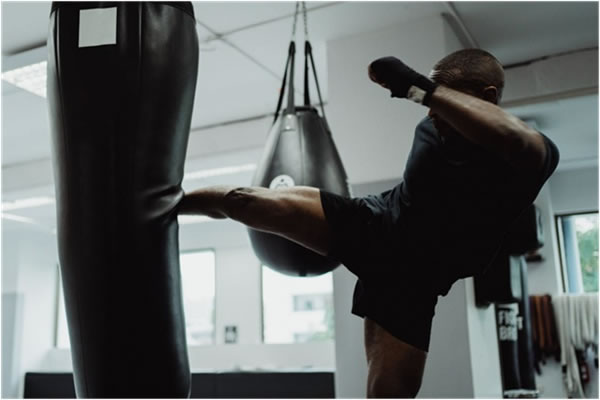 Photo by Ketut Subiyanto
Why Nigerians Are Getting Hooked on Muay Thai
Muay Thai’s appeal is easy to understand. It is intense, fast-paced, and rooted in a cultural history that fascinates many newcomers. The “art of eight limbs” challenges both body and mind. Fighters must train for stamina, precision, and strategy. For Nigerian athletes already skilled in boxing or kickboxing, Muay Thai offers a natural progression with added techniques and tactical depth.
It also offers a different kind of storytelling. Every fight tells a story not just of physical power, but of discipline, respect, and mental resilience. These values resonate deeply with many Nigerians who see sport as both personal growth and community pride.
The Lagos Gym Scene
Lagos is often the first stop for new sports trends in Nigeria, and Muay Thai is no exception. A growing number of gyms now offer Muay Thai classes alongside traditional boxing and MMA. Coaches often blend Muay Thai with other combat styles, creating hybrid training programs. This makes it easier for new fighters to adapt and for gym owners to attract a wide audience.
The appeal is not just for competitive fighters. Many Lagos residents are signing up for Muay Thai as a
fitness option. The sport’s cardio and strength demands deliver quick results, and the training environment is highly social, creating a supportive network for beginners and pros alike.
Online Communities and Global Connection
While gym training builds skill, online platforms are building community. Nigerian Muay Thai enthusiasts join Facebook groups, WhatsApp chats, and online forums where they share training tips, discuss fight results, and plan meet-ups for viewing parties.
These digital spaces also keep fans in touch with the global Muay Thai scene. International tournaments, title fights, and rising fighters can all be followed online. The ability to check live scores and match outcomes instantly bridges the gap between Nigeria and arenas in Bangkok or Phuket.
The Role of Live Score Platforms
One of the biggest hurdles for Muay Thai in Nigeria is live coverage. Traditional sports channels rarely show the matches. This is where online fight score services step in. Fans can track results round by round, even if they cannot watch the fight live.
For example, platforms that deliver instant fight results give fans the feeling of being ringside. This immediacy fuels conversations, predictions, and debates in local gyms and online groups. It also inspires young fighters to dream bigger, seeing how their idols perform in high-stakes bouts.
Local Tournaments and Grassroots Growth
Though still small, local Muay Thai tournaments are starting to appear. Some MMA events in Nigeria now feature Muay Thai matches, giving fighters the chance to test their skills in front of a crowd. This grassroots approach is crucial for building the sport’s foundation in the country.
Event organizers often bring in experienced referees and coaches to ensure authenticity. These competitions also attract curious spectators who may later become regular fans or even take up training themselves.
Challenges Ahead
Despite its growth, Muay Thai in Nigeria faces obstacles. Access to proper equipment, trained coaches, and sponsorships remains limited. Many gyms rely on self-taught instructors or adapt from online tutorials. Importing gear like pads, gloves, and heavy bags can be expensive.
There is also the challenge of exposure. Without consistent media coverage, Muay Thai still relies heavily on word-of-mouth and online promotion. However, the rise of social media influencers in the fitness and sports space is helping bring more attention to the sport.
What the Future Could Look Like
With the right investment and continued enthusiasm, Muay Thai could develop a strong presence in Nigeria. This would mean more specialized gyms, national tournaments, and even a Nigerian presence at international events.
The sport’s global appeal and the accessibility of online score tracking mean the Nigerian Muay Thai community is not isolated. It is part of a worldwide network that thrives on shared passion.
Why It Matters for Nigerian Sports Culture
Muay Thai’s growth is a sign of how global sports trends can take root in local soil. It shows the appetite Nigerians have for exploring new challenges and embracing cultures beyond their borders.
It also reflects a shift in how sports fans consume content. Live score platforms, social media discussions, and online streaming are replacing the need to rely solely on TV broadcasts. This shift gives niche sports like Muay Thai a real chance to compete for attention alongside long-established favorites.
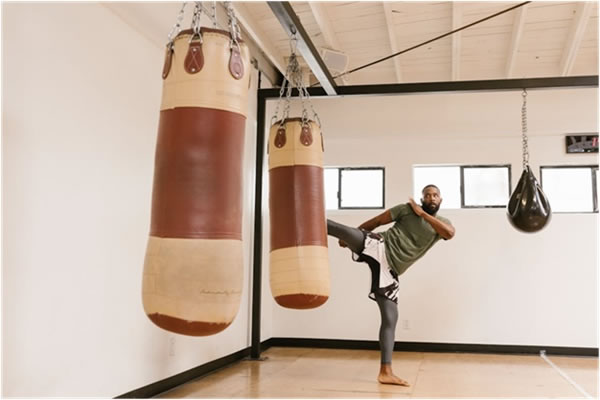 Photo by RDNE Stock project
Conclusion
From the echo of kicks in Lagos gyms to the buzz of online score updates, Muay Thai is becoming more than just a passing trend in Nigeria. It is carving out its place in the country’s
sports culture.
As more fighters train, more fans engage, and more events take place, Nigeria’s Muay Thai journey is just beginning. And with every strike, every clinch, and every shared score update, the connection between the local and the global fight community grows stronger.
Click here to read full news..


