The Basketball Africa League brings together top club talent from across the continent, delivering high-stakes basketball in ever-changing locations. Its blend of group action and knockout drama keeps fans engaged throughout the season. Observers following BAL trends often consult platforms like
Betwinner Uganda for contextual market perspectives. The league's essence lies in its competitive balance, emerging stars, and growing continental footprint.
What is the Basketball Africa League?
The Basketball Africa League unites Africa's strongest club squads in a single, high-profile tournament. It elevates local talent while attracting global attention through competitive play and strategic storytelling. Fans exploring BAL wagering opportunities often encounter offerings like
Betwinner bonus, enhancing engagement with match markets. The league's identity blends athletic excellence with continental pride.
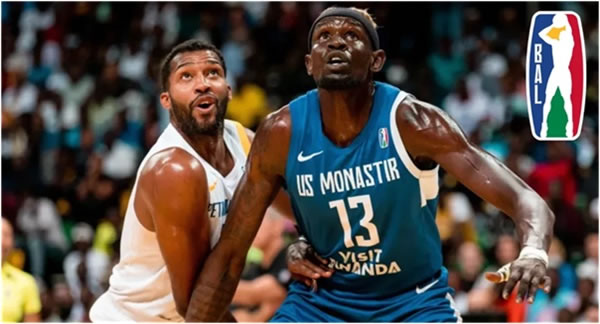
History and Foundation of the BAL
Announced in 2019 and launched in 2021, the BAL emerged as a joint venture between FIBA and NBA Africa. Its inaugural season featured 12 clubs competing in a centralized format, adapted for global circumstances. Early priorities centered on broadcast infrastructure and competitive balance, laying groundwork for continental growth.
Partnership with NBA and FIBA
The BAL operates through a strategic alliance between two basketball governing bodies. This collaboration ensures:
- Standardized officiating and rule enforcement aligned with international norms
- Shared investment in infrastructure, scouting networks, and youth development pipelines
- Coordinated media distribution, expanding viewership across digital and broadcast channels
- Joint branding initiatives that elevate African basketball on the global stage
Teams Participating in the BAL
Twelve elite clubs earn BAL berths through domestic performance or continental qualifiers. Rosters mix homegrown talent with international experience, fueling competitive unpredictability. For bettors tracking team news and odds, accessing a
Betwinner alternative link ensures uninterrupted market access. Squad cohesion and tactical flexibility often separate playoff contenders from early exits.
Qualified Clubs by Region
Teams enter via regional pathways aligned with the league's conference model. The current structure features:
- Kalahari Conference: Six clubs from Southern and select Central African nations
- Sahara Conference: Six representatives from North and West African territories
Qualification blends automatic berths for champion leagues with Road to BAL tournament outcomes.
Top Teams to Watch
Several franchises consistently demonstrate championship pedigree. Notable contenders include:
- Petro de Luanda (Angola): Reigning champions with offensive firepower and continental experience
- Al Ahly (Egypt): Tactical discipline and deep playoff runs define their profile
- AS Douanes (Senegal): Defensive intensity and athletic transition play
- Zamalek (Egypt): High-tempo offense and veteran leadership in clutch moments
These squads blend roster continuity with adaptive game management.
Tournament Format and Structure
The BAL employs a two-phase system: conference-based group play followed by single-elimination playoffs. Twelve teams split into Kalahari and Sahara Conferences, six clubs apiece. The top four from each conference advance. This design balances regional diversity with knockout tension, rewarding steady performance while leaving room for surprise outcomes.
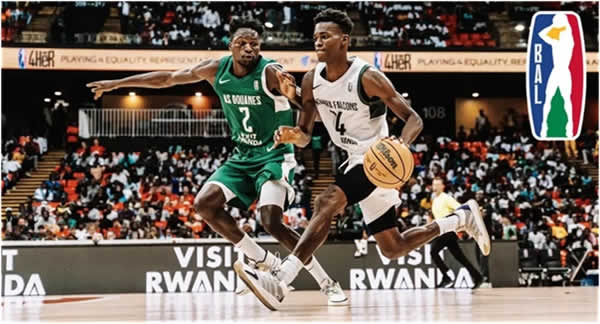
Group Stage Format
Teams face every conference opponent once in round-robin action. Standings reflect win-loss records, with standard tiebreakers applied when needed.
| Conference |
Teams |
Games per Club |
Advancement Criteria |
| 🏀 Kalahari |
6 |
5 |
Top 4 teams qualify |
| 🏀 Sahara |
6 |
5 |
Top 4 teams qualify |
Group-stage results set playoff seeding and momentum heading into the knockout phase.
Playoffs and Finals System
Eight qualified teams enter a single-elimination bracket. Quarterfinal matchups pair conference leaders against fourth-place finishers; second meets third. Winners advance through semifinals to the championship decider.
| Round |
Teams |
Match Format |
Advancement |
| ⚡ Quarterfinals |
8 |
Single game |
4 winners advance |
| 🔥 Semifinals |
4 |
Single game |
2 winners advance |
| 🏆 Finals |
2 |
Single game |
Champion crowned |
Overtime follows FIBA protocols. The finals venue rotates annually, reinforcing continental engagement and neutral-site intensity.
BAL Season Schedule and Venues
The BAL season unfolds across three African cities, with conference play spanning late March through early May. Finals conclude in Kigali, amplifying fan engagement and broadcast reach. Schedule design accommodates venue logistics, continental travel, and optimal viewing windows for global audiences.
Key Dates and Fixtures
Conference matchups and playoff rounds follow a condensed, strategically spaced calendar.
| Phase |
Official Window |
Location Type |
| 🏀 Kalahari Conference |
Late March – Early April |
Rotating host city |
| 🏀 Sahara Conference |
Late April – Early May |
Rotating host city |
| 🔥 Playoffs |
Late May |
Neutral venue |
| 🏆 Finals |
Late May |
Preselected host city |
Fixture density increases during knockout stages, with rest intervals calibrated for player recovery and broadcast optimization.
Host Cities and Arenas
Venues rotate annually to broaden continental exposure. Selected arenas meet FIBA standards for capacity, lighting, and broadcast infrastructure.
| City |
Country |
Arena |
Conference/Role |
| 🇿🇦 Pretoria |
South Africa |
SunBet Arena |
Kalahari Conference |
| 🇲🇦 Rabat |
Morocco |
Prince Moulay Abdellah Sports Complex |
Sahara Conference |
| 🇷🇼 Kigali |
Rwanda |
BK Arena |
Playoffs and Finals |
Host selection prioritizes logistical readiness, fan accessibility, and regional representation across Africa's diverse basketball landscape.
Star Players and Rising Talents
The BAL showcases established veterans alongside emerging prospects, creating compelling on-court narratives. International experience blends with homegrown skill, elevating competitive intensity. Scouting attention has intensified as league visibility grows, turning standout performances into professional opportunities across global basketball markets.
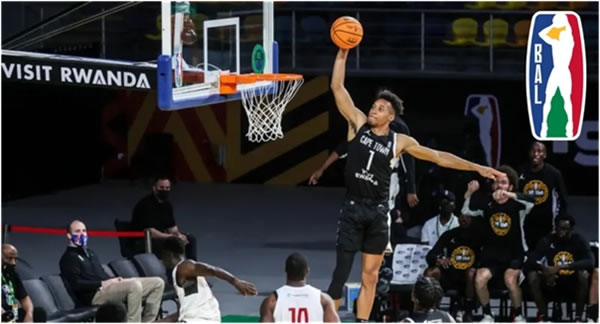
International and Local Stars
Several players bridge continental and global basketball experience. Notable contributors include:
- Yanick Moreira (Angola): Versatile big man with NBA G-League background and Petro de Luanda tenure
- Hasheem Thabeet (Tanzania): Former NBA center bringing size, shot-blocking, and veteran leadership
- Tylor Ongwae (Kenya): Dynamic wing with FIBA AfroBasket experience and Nairobi City Thunder prominence
- Peter Jok (South Sudan/Angola): Sharpshooting guard with collegiate pedigree and continental tournament impact
These athletes elevate team ceilings through leadership, scoring versatility, and situational adaptability.
Young Players to Watch
Emerging talents signal the league's developmental trajectory. Rising names include:
- Nkosinathi Sibanyoni (South Africa): Athletic forward with Johannesburg Giants, noted for rim protection and energy
- Dieudonne Ndizeye (Rwanda): Versatile guard with RSSB Tigers, showcasing playmaking growth and defensive awareness
- Ethan Jamengo (Tanzania): Young scorer developing within Dar City's system, displaying offensive confidence
- Gerson Domingos (Angola): Emerging wing with Petro de Luanda, blending size, skill, and two-way potential
These prospects combine raw tools with coachable frameworks, attracting international scouting interest.
Previous Winners and Records
Since its inception, the BAL has crowned diverse champions, reflecting the continent's competitive balance. Egyptian and Angolan clubs have featured prominently in title conversations. Individual accolades highlight scoring prowess, defensive mastery, and clutch performances. Record-keeping evolves as the league matures, establishing benchmarks for future contenders.
Championship History
The inaugural 2021 title went to Zamalek, followed by US Monastir's 2022 triumph. Al Ahly captured the 2023 championship, Petro de Luanda prevailed in 2024, and Al Ahli Tripoli claimed the 2025 crown. This rotation of winners underscores the league's parity and the strategic depth of Africa's elite club programs.
Notable Team and Player Records
Team achievements include undefeated group-stage runs and decisive championship margins that showcase tactical execution. Individual records span high-volume scoring nights, rebounding consistency, and playmaking efficiency. Technical benchmarks—like single-game point totals and defensive impact metrics—provide measurable standards. These records contextualize excellence while motivating emerging talent to redefine performance ceilings.
Impact of BAL on African Basketball
The BAL has reshaped African club basketball by creating sustainable pathways for talent, investment, and visibility. Its platform elevates domestic leagues, attracts international partnerships, and inspires youth participation. The ripple effects extend beyond the court, influencing infrastructure development and regional sporting culture across the continent.
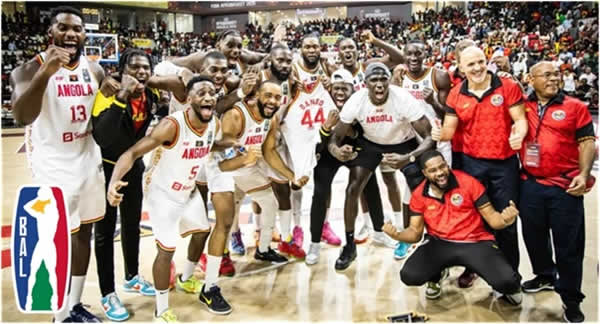
Development of Local Talent
The league accelerates player growth through structured competition and exposure. Key developmental outcomes include:
- Enhanced scouting networks identifying prospects from underserved regions
- Professional training environments mirroring global basketball standards
- Mentorship opportunities pairing emerging players with experienced veterans
- Increased mobility for standout performers toward international leagues
These mechanisms transform raw potential into refined, market-ready talent.
Growth of Basketball Popularity in Africa
Basketball's cultural footprint expands as BAL visibility rises. Contributing factors include:
- Broadcast partnerships delivering games to diverse African audiences
- Social media engagement amplifying player stories and team rivalries
- Community clinics and youth initiatives tied to BAL host cities
- Merchandise and fan experiences fostering emotional connections to clubs
This momentum fuels grassroots participation and strengthens basketball's position alongside traditional African sports.
Click here to read full news..


