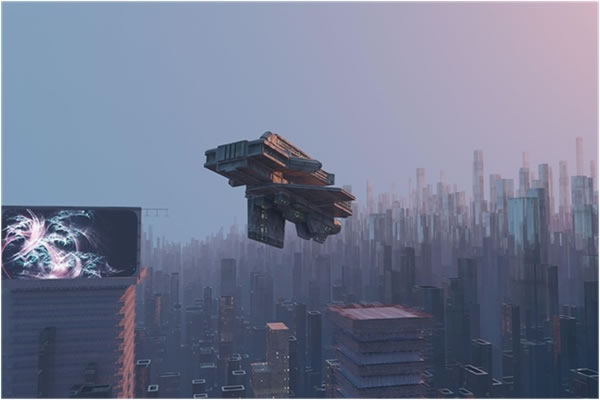
By 2050, our lives won't necessarily look like flying cars zipping past glass skyscrapers—although, spoiler alert, there are flying cars. But the changes are often more subtle, more intimate, woven into our daily rituals like a quiet revolution humming beneath the surface. Tech won't just be something we use—it'll be something we live in.
From the moment you wake up to the way you relax, the entire structure of your day might be familiar. With eerie, high-tech twists you never saw coming.
Morning in the Smart Cocoon
Imagine waking to a gentle background humming light slowly brightening your bedroom ceiling—it mimics sunrise, but more likely 5:17 in the morning in a city where the actual sun is obscured by carbon-filtering skyscrapers. The bed, sensing your small movements, adjusts your incline ever so slightly, as a polite robot butler who guesses you need five more minutes. Maybe ten.
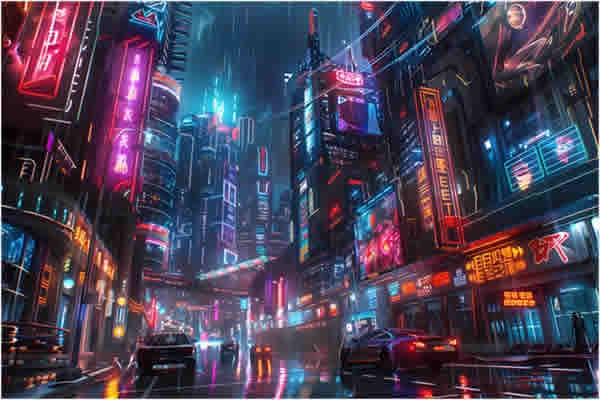 Image source: Pixabay
In 2050, mornings don't start with alarm clocks. They start with Biosync. Your home, or your "living pod," is harmonized with your circadian rhythms, blood glucose, and even mood stress. If you're feeling stressed out, the walls shift color. If you're starving, your kitchen AI suggests a protein wrap with lab-grown chicken or cricket flour. Mmm. maybe.
You can roll your eyes at a chatty fridge, but bear with me—it's not just chatty, it's clever. It's like a marriage between a nutritionist and your mother.
Commuting, or Something of That Nature
And work? Yeah, that's still a thing, right? Sort of. Except that now, more frequently than not, you're logging in through a neural link from the couch. That is, if you're not one of the fortunate few still commuting to a physical workspace—a city maintenance operator, for example, or one of the high-value climate engineers maintaining the floating farms productively.
For most, however, in the biggest digital metropolises, even traveling to work has gamified aspects. With your own bespoke dashboard hovering in front of your face, it's not uncommon to have headlines, cryptocurrency metrics, and, yes, even
sports betting apps presenting live odds on such things as hover ball and zero-grav tennis scrolling down your morning update. These websites have progressed from plain click-to-bet websites to full-fledged immersive forecasts superimposed into your reality stream.
Those days of spending an hour stuck in traffic only to roll up mildly sweaty and thoroughly annoyed are over. Travel is quicker, cleaner, and much stranger.
Modes of Movement in 2050
Gone are the days of sitting in traffic for an hour just to arrive mildly sweaty and completely irritated. Travel is faster, cleaner, and a lot weirder.
| Transport Mode |
How It Works |
Why It’s Cool (or Not) |
| Hyperloop Pods |
Vacuum-tube trains beneath cities |
Super fast, zero emissions |
| Autonomous Air Taxis |
Drones for people |
Amazing views, scary turbulence |
| Smart Pavement Vehicles |
Solar-charged, AI-driven ground cars |
Quiet, efficient, oddly cozy |
Yes, some grumble about not getting "real driving," but question those individuals again after they've had a nap on the ride to an early appointment. Nostalgia melts fast when your car makes your coffee and steers itself.
Lunch Isn't What It Used to Be
Midday, your wrist counselor—smartwatch + therapist—delicately chimes: time for a vitamin boost. Don't freak out. The food printer has already started making a meal based on your recent physical activity levels and nutrient gaps.
You kind of do miss greasy fries every now and then. But the nutrient slurry you now eat (don't judge—it's worth it despite its taste) comes in spicy buffalo or truffle mushroom.
And it satisfies your hunger for hours.
But others are fighting back against the culture of convenience. Urban farms tucked away in old parking lots? Thriving. Farmer's markets conducted in virtual space where you can actually pick your food? Unsettlingly therapeutic. It's a techno-organic renaissance, of a sort.
As that's taking place, social interaction and entertainment spaces online keep thriving. Social feeds hand-curated, filtered news feeds, and expert communities thrive—even platforms like
https://www.instagram.com/melbetindia_official/ Instagram are discovering niches, blending lifestyle blogging with interactive gaming and sports predicting, turning a previously static feed into an active, vibrant space. Scrolling is no longer sufficient; it's engagement.
Evenings: Play, Recharge, Repeat
At night, you don't just watch TV—you live it. Immersive entertainment is highly sensory nowadays. Want to be a gumshoe in a 1940s Chicago-based noir? You'll experience the cigarette smoke (ethically replicated, of course) and hear every creak of your trench coat as you shift.
Dinner with the family is trickier. Your brother is somewhere else in the time zone. Your aunt is an avatar, nothing more. But you get together anyway, virtually, at a real enough table. Laughter, closeness, maybe even a game of trivia spiced up by AI.
 Pixabay
And when it's time to wind down at last? You don't simply "sleep." You go into recalibration mode—your neural pathways are softly scrubbed of tension, and dream sequences can actually be programmed, if that's your preference.
What If 2050 Isn't So Distant
It's not hard to sit here and read all of this and think of sci-fi. But a lot of this isn't fantasy—it's already prototyping or testing out in little pockets of the globe. It's just not evenly distributed. Yet.
So, then, what's a day in 2050 really like? It's. kind of human, oddly. Full of small rituals, knotty emotions, and those elusive moments of awe. Technology may frame the day, but it won't script it. You still do that. And maybe that's the most surprising thing.
Click here to read full news..


