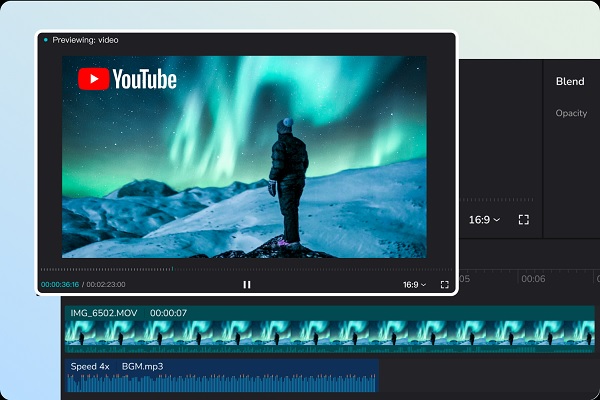
From breathtaking celestial landscapes to captivating cosmic phenomena, video editing has become an essential tool in creating engaging astronomy documentaries. Through the skilled hands of editors and a free web video editor, the mysteries of the universe come to life, transporting audiences on cosmic voyages that ignite curiosity and inspire wonder.So buckle up, as we embark on a creative journey to explore how video editing can enhance the creation of captivating astronomy documentaries. Let’s dive in.
Step-By-Step Guide to Merging Astronomy and Editing
Research and Planning
- Start by researching and gathering information about the specific topic or theme you want to cover in your documentary.
- Create a storyboard or outline to organize your ideas and plan the structure of your documentary.
- Consider the target audience and their level of familiarity with astronomy. This will help you determine the depth of the content and the style of narration.
Acquire High-Quality Footage
- Collect high-quality footage and images of celestial objects, astronomical phenomena, space missions, and scientific experiments.
- Use reliable sources like NASA, ESA, Hubble Space Telescope, and other space agencies, which provide stunning visuals and data related to space exploration.
- Consider incorporating computer-generated graphics and animations to illustrate complex concepts.
Scripting and Narration
- Write a compelling script that combines scientific accuracy with engaging storytelling. Use clear and concise language, avoiding excessive technical jargon.
- If possible, collaborate with a professional voice-over artist or record your own narration using suitable recording equipment and a quiet environment.
- Ensure that the narration complements the visuals and guides the viewers through the documentary effectively.
Enhance Visual Appeal
- Use video editing software with a wide range of tools and effects such as background remover to enhance the visual appeal of your documentary.
- Experiment with techniques like time-lapse, slow motion, and panning to create dynamic shots.
- Apply color correction and grading to enhance the overall aesthetics and ensure consistency throughout the documentary.
- Consider adding graphical elements such as text overlays, diagrams, and annotations to emphasize key points and aid understanding.
Music and Sound Design
- Select appropriate background music that complements the tone and atmosphere of the documentary. Look for royalty-free or licensed tracks to avoid copyright issues.
- Incorporate sound effects like space ambiance, rocket launches, or astronomical events to add depth and immerse the viewers in the experience.
Transitions and Visual Effects
- Use smooth transitions between shots to maintain a seamless flow and avoid abrupt jumps.
- Experiment with visual effects like motion blur, lens flares, and light leaks to add a cinematic touch to your documentary.
- Utilize split screens, picture-in-picture, or overlays to showcase multiple perspectives or comparisons.
Storytelling and Structure
- Pay attention to the narrative structure and pacing of your documentary. Consider introducing the topic with an intriguing hook, building up suspense, and concluding with a satisfying resolution.
- Divide your documentary into chapters or segments to cover different aspects of the topic.
- Include personal anecdotes, interviews with experts, or real-life stories to make the content relatable and emotionally engaging.
Incorporating Video Editing in Astronomy
- Painting the Celestial Canvas
Video editing allows filmmakers to harness the vastness of the universe and transform it into an immersive visual experience. With the stroke of a digital brush, editors can embellish astronomical footage, enhancing colors, and adding visual effects to create a sense of awe.
The cosmos is our canvas, and through editing, we can intensify the brilliance of stars, deepen the hues of nebulae, and even make comets dance across the sky, captivating viewers.
Astronomy documentaries are more than just a compilation of stunning visuals; they tell stories of discovery and exploration. Video editing plays a pivotal role in shaping the narrative, weaving together interviews, scientific explanations, and breathtaking imagery into a cohesive and compelling storyline.
Editors have the power to build suspense, evoke emotions, and unveil revelations, allowing audiences to embark on a captivating journey through the cosmos, their eyes glued to the screen in anticipation of each revelation.
- Animating Astronomical Phenomena
While the universe is filled with breathtaking wonders, not all celestial events happen within reach of our cameras. Video editing comes to the rescue by enabling the creation of stunning visual effects and animations that illustrate cosmic phenomena that are otherwise invisible or difficult to capture.
Whether its a supernova explosion, the collision of galaxies, or the birth of a star, editors can bring these awe-inspiring events to life, giving viewers a front-row seat to the wonders of the universe.
Beyond the visuals, video editing is a master of rhythm and tempo. Through carefully timed cuts, transitions, and music selection, editors orchestrate an immersive experience that synchronizes with the universe.
From the slow and mesmerizing planets to the fast-paced explosions of pulsars, the editing process inspires astronomy documentaries with a musicality that resonates with the viewers, keeping them engaged and enthralled throughout the cosmic journey.
Astronomy is a field of endless discoveries, and video editing can be the lens through which we unveil the unknown. Editors collaborate with scientists and researchers, meticulously weaving their findings into the visual fabric of the documentary.
From data visualizations to groundbreaking simulations, video editing can transform complex scientific concepts into digestible and visually striking elements, enlightening audiences and igniting a sense of curiosity about the mysteries that lie beyond our planet.
Conclusion
The art of video editing has become an indispensable ally in crafting engaging astronomy documentaries that transport audiences to the far reaches of the universe. Creating engaging astronomy documentaries requires a combination of scientific knowledge, storytelling skills, and technical expertise in video editing.
Continuously honing your craft and staying updated with the latest discoveries in the field will ensure that your documentaries remain captivating and informative.